

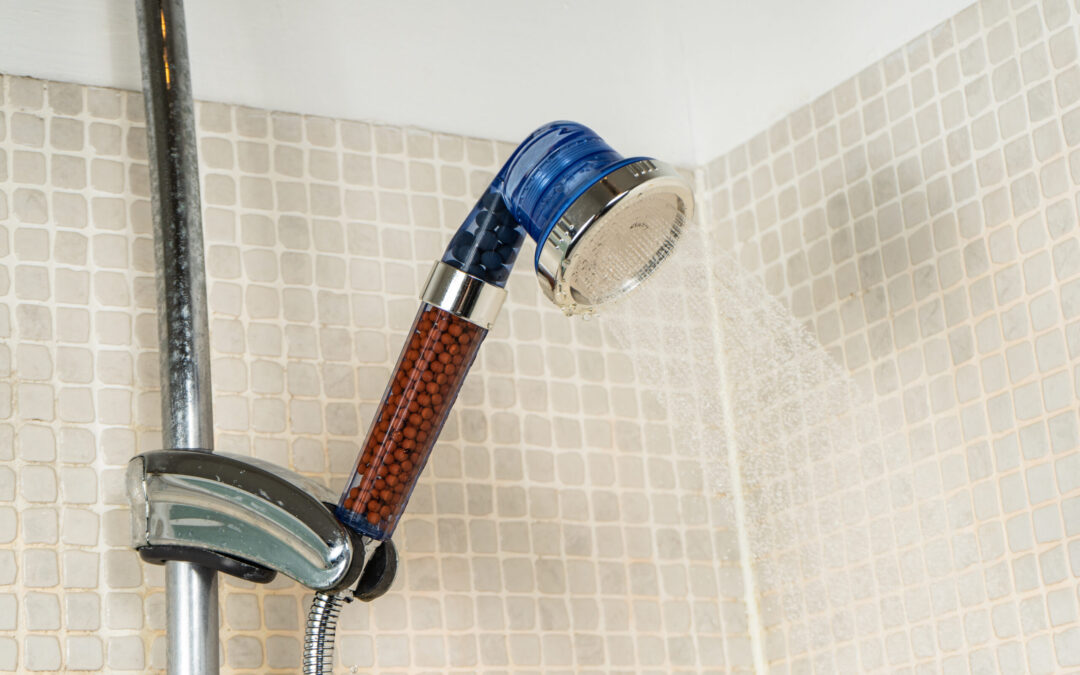
A shower should leave you feeling clean and refreshed, not dry, itchy, or surrounded by a pool like smell. If your hair feels rough after washing or your skin feels tight after bathing, the water itself may be part of the story. A shower water filter can offer a simple, focused way to improve the water coming through one of your home’s busiest fixtures.
Why Your Shower Water Deserves Attention
Most people think about filtered water only when they fill a drinking glass. Still, the water in a shower touches your skin and hair every day, often for much longer than water stays in a kitchen glass. Warm water also creates more steam, which makes a strong chlorine odor much harder to ignore.
Municipal water is disinfected to keep it safe during delivery, and chlorine is commonly used as part of that process. That does not mean everyone enjoys the smell or how the water feels during a long shower. If you have ever stepped out and reached for lotion right away, you know how quickly this can become part of your normal routine.
A shower water filter is installed at the showerhead or inline between the shower arm and showerhead. It treats water at that one point before it reaches you. That targeted setup can appeal to homeowners who want a smaller upgrade for one bathroom or need a temporary option before investing in broader treatment.
What A Shower Water Filter Can Reduce
The main purpose of most shower filters is chlorine reduction. Many filter designs use media such as KDF, activated carbon, calcium sulfite, or a combination of materials. Their performance depends on the media, water temperature, flow rate, and the amount of water that has already moved through the cartridge.
Third party certification matters when comparing products. NSF/ANSI 177 is the shower filter standard for chlorine reduction, and certification verifies a product’s performance claim under specified testing conditions. A certified filter should state the amount of chlorine reduction and the number of gallons for which that claim applies.
Some products also claim reductions for sediment, rust, or certain particles. Those claims need a closer look because no shower filter removes every issue that could exist in household water. Chloramine is also tougher to reduce than free chlorine, so homeowners should not assume a standard shower filter will handle it well.
We encourage families to start with the water concern they can see or smell. A chlorine odor, dry skin after bathing, and dull hair are all useful pieces of information. They help narrow down the kind of shower water filter that makes sense for your bathroom and your expectations.
How A Shower Water Filter Works
A shower filter is often a compact canister that attaches to the shower arm or sits inside a filtered showerhead. As water moves through the filter, the media interacts with chlorine and other materials the unit is designed to target. The treated water then flows through the showerhead as normal.
The process is simple from the user’s side. You turn on the water, adjust the temperature, and shower as you always have. You do not need a pitcher to refill or a countertop appliance taking up room beside your sink. A shower water filter stays out of sight while doing its job in the background.
There is one catch that is easy to miss: shower water moves fast. A filter has less contact time than water moving through a larger whole home tank. That is why cartridge type and third party performance claims matter so much. A system may sound impressive on a label, yet the stated capacity and certified reduction details tell you more about what to expect.
Comfort Benefits For Skin And Hair
Many homeowners install a shower water filter because they want their shower routine to feel less harsh. Chlorine has a strong smell, and certain people find that their skin feels dry after bathing in heavily chlorinated water. Hair can also feel more difficult to manage, especially when it is color treated or already prone to dryness.
A filter that reduces chlorine can make the water smell less sharp and feel more pleasant during a shower. People often describe their hair as softer after switching, while others notice that lotion and conditioner seem to work better. Results vary with the water supply, the filter type, and personal skin needs, so a shower filter should not be treated as medical care.
Still, the daily comfort piece should not be brushed aside. Kids who complain about bath time, adults dealing with dry winter skin, and people trying to protect salon color all deserve water that feels better on the body. A shower water filter can make one bathroom more enjoyable without remodeling the space or changing your regular routine.
A Good Fit For Renters And Smaller Projects
Not every household is ready to install equipment at the main water line. Renters may have limits on what they can change, and some homeowners want to test the waters before making a larger investment. A shower water filter can provide a practical first step because many models install without opening walls or changing major plumbing.
This can also work well for a guest bathroom, a child’s bathroom, or a home where one person has more sensitivity to water feel than others. The filter focuses on a single shower rather than the entire property. That makes it easy to understand where the improvement will happen and where it will not.
If you are planning broader improvements later, we can help you compare a focused shower solution with whole home treatment. Our residential water treatment options include systems for drinking water, bathing water, and full house water concerns. A shower water filter can be helpful, but it is one tool among several, not a one size fits all answer.
What To Consider Before Buying
Before buying a shower water filter, take a minute to think about the reason you want one. A chlorine smell calls for a different conversation than heavy scale on a showerhead or orange staining around a drain. The source of the issue matters, because the filter needs to match the concern.
Look for an independent certification that supports the specific reduction claim you care about. Do not rely only on broad phrases like “removes impurities” or “improves water.” A product should explain what it has been tested to reduce, how long the cartridge is expected to last, and the conditions behind that claim.
Consider your current shower setup too. Some filters attach to the shower arm, while others are built into a complete showerhead. If you love your existing showerhead, an inline unit may fit better. If your showerhead already has low pressure, pay attention to expected flow because an old cartridge can slow things down further.
You will also want to check replacement filter costs before making a decision. The initial price may look low, but regular cartridges are part of owning a shower water filter. We can help you compare ongoing service needs with your household’s goals, so you do not get surprised six months later.
Shower Filters And Hard Water
A shower water filter is often confused with a water softener, but these systems handle different jobs. Shower filters are generally built to reduce chlorine and selected impurities at one shower. They do not typically remove the hardness minerals that cause white scale, soap scum, and buildup across your home.
If shower doors look cloudy again shortly after cleaning or faucets develop hard white deposits, hard water may be the main issue. In that case, a shower filter may improve smell and shower comfort but will not solve the mineral buildup by itself. Treating hardness usually requires a system sized for the home’s incoming water.
This distinction saves a lot of frustration. Nobody wants to install a new filter, wait for a miracle, and discover the spots are still hanging around like unwanted houseguests. We can test your water and explain the difference between chlorine reduction, hardness treatment, and other approaches. Our resources center also offers useful background on water quality and treatment methods.
When Whole Home Treatment Makes More Sense
A single shower filter works well when your goal is targeted comfort in one bathroom. If you want better water in every shower, at every sink, and for appliances, whole home treatment often makes more sense. A central system treats water at the entry point, giving each fixture the same treated supply.
Whole home filtration can help with chlorine odor throughout the property. A softening system can address hardness that shows up in water heaters, dishwashers, laundry, and fixtures. Pairing the right systems can support better water across the home without having to install a separate device in each bathroom.
We assess your water, household routines, plumbing layout, and goals before recommending a path forward. You might be happy with a shower water filter for now, or a full house system may better match what you want to solve. We can also design higher demand solutions for businesses, which you can explore through our commercial water filtration information.
Caring For Your Shower Filter
A shower filter needs regular cartridge replacements to keep performing as expected. The schedule depends on the product, how many people use the shower, incoming water conditions, and your household’s shower habits. A large family with long showers can use a cartridge much faster than a single person who showers quickly.
Watch for clues that the cartridge needs attention. The chlorine smell may start creeping back, water flow may drop, or your skin and hair may return to the way they felt before installation. These are good times to check the replacement schedule instead of hoping the filter has more life left.
We can help with system service and explain what maintenance your setup requires. Homeowners who have worked with us often mention that straightforward explanations make water treatment feel far less confusing. You can see their experiences in our customer testimonials. A properly maintained shower water filter offers more dependable performance and fewer surprises.
FAQ
What Does A Shower Water Filter Remove?
Most shower filters are designed mainly to reduce chlorine. Some also have claims for sediment, rust, or selected particles, but you should review independent certification for the exact contaminant reduction you want.
Can A Shower Filter Help Dry Skin?
A filter that reduces chlorine may help some people find showers more comfortable. Dry skin has many causes, so it should not replace guidance from a healthcare professional for persistent irritation.
Will A Shower Filter Soften Hard Water?
Most shower filters do not soften water or remove the minerals responsible for hardness. If scale, soap scum, and white spotting are your primary issues, a whole home softening or conditioning system may be the better fit.
How Often Should I Replace The Cartridge?
Follow the manufacturer’s stated schedule and adjust as needed for household use. If chlorine odor returns or flow slows down, the cartridge may need replacement sooner.
Can I Install A Shower Water Filter Myself?
Many shower filters are designed for simple installation, but following the product instructions is important. Professional help can be useful if your shower arm is damaged, difficult to access, or part of a more complicated setup.
Does A Shower Filter Work With Every Showerhead?
Many inline filters work with standard shower connections, though compatibility can vary. Check the filter’s specifications and measure your available space before buying a unit.
Give Your Shower A Better Start
Want a shower that feels more comfortable from the first rinse? Contact AAA Water or call (833) 610 3074, and we will help you find the right water treatment direction for your home.